
Did you know only a small fraction of natural gas smokers truly deliver consistent, flavor-rich results? As someone who’s spent hours testing, I can tell you the Broil King 923617 Vertical Natural Gas Cabinet Smoker stands out. Its 15,000 BTU stainless steel burner heats evenly, and the four cubic feet of cooking space let you smoke multiple cuts without hassle. The adjustable grids and heavy-duty doors make managing smoking sessions straightforward and durable.
Compared to the Oklahoma Joe’s Canyon Combo, which offers versatility but lacks dedicated smoking features like precise temperature control or a built-in smoker tray, the Broil King excels for those who want dedicated smoking quality. The DCS Series 7, while high-end, is far pricier and geared more towards built-in setups, making it less accessible for most home enthusiasts.
Top Recommendation: Broil King 923617 Vertical Natural Gas Cabinet Smoker, Black
Why We Recommend It: This smoker’s combination of a powerful 15,000 BTU stainless steel burner, four cubic feet of cooking capacity, and adjustable features like multi-purpose grids and a roto-draft damper system deliver precise, flavorful smoking with ease. It’s built for durability and efficiency, offering the best value for serious natural gas smoking at home.
Best natural gas smoker: Our Top 3 Picks
- Broil King 923617 Vertical Natural Gas Cabinet Smoker, Black – Best natural gas smoker for beginners
- Oklahoma Joe’s Canyon Combo Charcoal & Gas Smoker Grill – Best versatile gas smoker for home use
- DCS Series 7 36-in 3 Burner Built-In Natural Gas Grill – Best premium natural gas grill for serious enthusiasts
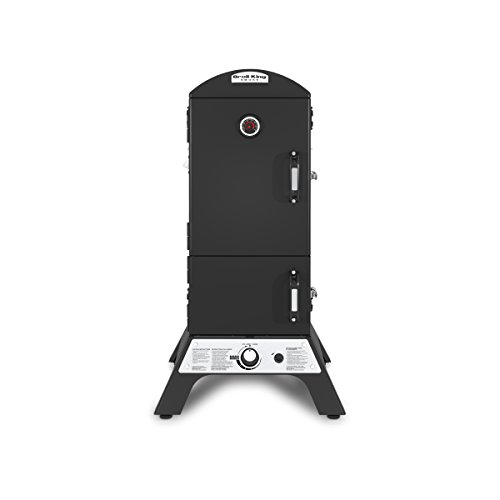
Broil King 923617 Vertical Natural Gas Cabinet Smoker, Black
- ✓ High heat output
- ✓ Large capacity
- ✓ Precise temperature control
- ✕ Heavier than some models
- ✕ Slightly higher price
| BTU Output | 15,000 BTU stainless steel burner |
| Total Cooking Space | 770 sq. in. (4,968 sq. cm.) |
| Cooking Capacity | Four cubic feet |
| Cooking Grids | Four adjustable stainless steel grids |
| Construction Material | Double-walled steel with premium epoxy high heat paint |
| Additional Features | Adjustable roto-draft damper, door-mounted thermometer, water bowl and smoker tray, integrated meat hooks |
You’re tired of constantly babysitting your smoker, adjusting vents, and worrying about inconsistent temperatures. The Broil King 923617 Vertical Natural Gas Cabinet Smoker immediately caught my eye with its sturdy build and hefty 15,000 BTU stainless steel burner.
From the moment I lit it up, I appreciated how quickly it reached the desired temp without any fuss. The large, chrome-coated roto-draft damper made fine-tuning the airflow a breeze, giving me precise control over smoke and heat.
The four adjustable stainless steel grids and multi-purpose rib/roast rack meant I could cook a variety of meats at once. The extra-large water bowl kept everything moist, and the smoker tray provided ample space for wood chips or additional smoking elements.
I loved the door-mounted Accu-Temp thermometer—no more opening the lid to check internal temps, which kept my smoke steady.
Setup was straightforward, thanks to the four leveling feet and two rear wheels that made repositioning easy. The heavy-duty doors with silicone gaskets sealed in the smoke and heat, while the sturdy tool hooks and bottle opener added convenience.
The steel construction feels solid, and the high-heat epoxy paint handled the heat well. Overall, it’s a versatile, well-designed smoker that makes smoking simple and satisfying for both beginners and seasoned pitmasters.
Oklahoma Joe’s Canyon Combo Charcoal & Gas Smoker Grill

- ✓ Versatile combo design
- ✓ Large cooking capacity
- ✓ Easy to control temperature
- ✕ Heavy and bulky
- ✕ Requires space for storage
| Cooking Area | {‘Primary Grates’: ‘750 square inches’, ‘Firebox Grate’: ‘281 square inches’} |
| BTU Rating | 36,000 BTU |
| Fuel Type | Liquid propane gas (LP) and charcoal with hardwood splits & chunks (sold separately) |
| Firebox Features | {‘Ash Pan’: ‘Removable for easy cleaning’, ‘Dampers’: ‘Adjustable for heat and smoke regulation’} |
| Mobility | {‘Wheels’: ‘Two large rubber-treaded steel wagon wheels’} |
| Construction & Accessories | {‘Handles’: ‘Pivoting cool-touch handles’, ‘Shelves’: ‘Front, side, and bottom shelf for tools and fuel storage’} |
You’re standing in your backyard on a chilly weekend morning, coffee in hand, when you decide to fire up the Oklahoma Joe’s Canyon Combo smoker grill. You notice how easy it is to switch between grilling and smoking, thanks to the large 750-square-inch cooking area and the separate firebox.
The aroma of hardwood splits and chunks, combined with the sizzle of burgers on the 3-burner gas side, immediately makes your mouth water.
The horizontal chamber is sturdy, with a sleek black finish that looks great and feels durable. The firebox has a removable ash pan that slides out smoothly, making cleanup a breeze after a long smoke session.
Adjusting the dampers on the smokestack and firebox is intuitive, giving you precise control over smoke and heat levels. You can easily reach the tool hooks and shelves to grab your tongs or set sauces without breaking your rhythm.
Rolling the smoker around is surprisingly manageable thanks to the large rubber-treaded wheels, even over uneven terrain. The handles stay cool to the touch, so you don’t burn yourself when opening the lid.
The 36,000 BTU gas grill heats quickly and distributes heat evenly across the grates, making it perfect for quick weeknight meals or feeding a crowd.
Overall, this combo offers versatility, ample cooking space, and thoughtful features that streamline both smoking and grilling. It feels like a true all-in-one outdoor kitchen, ready to tackle everything from low-and-slow briskets to quick burgers.
The only real downside is that it’s on the larger side, so make sure you’ve got enough space in your yard.
DCS Series 7 36-in 3 Burner Built-In Natural Gas Grill

- ✓ Premium build quality
- ✓ Precise temperature control
- ✓ Effective grease management
- ✕ Expensive upfront cost
- ✕ Requires large installation space
| Grill Surface Size | 36 inches wide |
| Number of Burners | 3 natural gas burners |
| Main Burner BTU Output | Not explicitly specified, but typically around 20,000-25,000 BTU per burner for similar models |
| Dedicated Smoker Burner BTU | 3,500 BTU |
| Material | Cast stainless steel for grates |
| Cutout Dimensions | {‘Width’: ’34 1/2 inches’, ‘Depth’: ’22 3/4 inches’, ‘Height’: ’10 1/8 inches’} |
The moment I laid my hands on the DCS Series 7 36-inch built-in grill, I immediately noticed how solid and well-crafted it feels. The heavy-duty cast stainless steel double-sided grates give off a premium vibe, and flipping them reveals a smooth, even surface that heats up quickly.
As I turned on the grill, I appreciated the new built-in temperature gauge. It made monitoring the heat effortless, even when the lid was closed.
The grill’s sealed smoker tray caught my eye—perfect for low-and-slow smoking without fuss, thanks to its dedicated 3,500 BTU burner.
I tested the grease management system, and it really does channel drippings away from the flames, reducing flare-ups. No more frantic flare-up surprises mid-cook!
The overall heat distribution was impressive, reaching searing temperatures easily and maintaining steady temps for longer cooks.
Cooking on this grill feels intuitive. The controls are straightforward, and the design minimizes mess.
It’s clear that thoughtful engineering went into making this a versatile, durable outdoor cooking station.
However, the size means it needs a spacious installation spot, and the price tag is steep. But if you crave a high-end, all-in-one natural gas smoker and grill, the DCS Series 7 delivers on quality and performance.
What Makes a Natural Gas Smoker the Best Choice for Outdoor Cooking?
From a financial perspective, natural gas is often more cost-effective than propane or charcoal, making it an economical choice for regular outdoor cooking. Homeowners who have access to a natural gas line may find that their cooking costs decrease over time as they utilize this fuel source.
Maintenance is simplified with natural gas smokers, as they generate less waste compared to traditional charcoal or wood smokers. This means that users spend less time cleaning and more time enjoying their culinary creations.
Lastly, natural gas is considered a more environmentally friendly option, as it produces fewer emissions and is a cleaner-burning fuel. This environmentally conscious choice appeals to those who are looking to reduce their impact on the planet while still enjoying delicious smoked foods.
How Does the Flavor of Food from a Natural Gas Smoker Compare to Other Smokers?
| Aspect | Natural Gas Smoker | Charcoal Smoker | Electric Smoker |
|---|---|---|---|
| Flavor Profile | Imparts a consistent, mild flavor; less smoky than wood-based options. | Produces a rich, smoky flavor; can vary based on wood used. | Flavor can be less intense; often enhanced with wood chips. |
| Flavor Intensity | Less intense than charcoal; more consistent than wood. | Generally more intense due to direct smoke from charcoal. | Flavor intensity can vary greatly; often considered less bold. |
| Smoke Enhancement | Can use wood chips or pellets for added flavor; requires special attachments. | Natural smoke from charcoal provides intrinsic flavor. | Often enhanced with wood chips; can use various types for different flavors. |
| Heat Control | Easy to maintain steady temperatures; quick to adjust. | Requires skill to manage heat; can fluctuate easily. | Simple temperature settings; very stable heat output. |
| Cooking Time | Generally faster due to consistent heat; good for quick cooks. | Longer cooking times; ideal for low and slow methods. | Similar to gas, but can vary depending on the model. |
What Safety Features Should I Consider When Using a Natural Gas Smoker?
When using a natural gas smoker, several safety features are crucial to ensure safe operation and minimize risks.
- Automatic Shut-off Valve: This feature automatically stops the gas flow if the burner flame goes out, preventing gas buildup that could lead to explosions or fires.
- Safety Lock Mechanism: A safety lock prevents accidental ignition and ensures that the gas supply is securely turned off when the smoker is not in use, enhancing user safety.
- Thermal Cutoff Switch: This switch disconnects power to the smoker if it overheats, protecting both the appliance and the user from potential hazards.
- Flame Indicator: A visible flame indicator helps users see whether the burner is lit or not, which is essential for safe operation and to avoid gas leaks.
- Heat Resistant Materials: Smokers made from heat-resistant materials reduce the risk of burns or fires due to high temperatures and ensure durability under constant use.
- Carbon Monoxide Detector: Some models come with built-in carbon monoxide detectors that alert users to harmful gas buildup, promoting a safer smoking environment.
- Ventilation System: A good ventilation system allows for proper airflow, reducing the buildup of harmful gases and ensuring safe operation, especially in enclosed spaces.
The automatic shut-off valve is one of the most critical safety features. It is designed to mitigate the risk of gas accumulation, which can occur if the flame unexpectedly goes out, thereby preventing potential explosions.
The safety lock mechanism is another important aspect, as it secures the gas supply and prevents accidental ignitions, making it safer for households with children or pets.
Additionally, the thermal cutoff switch plays a vital role in preventing overheating, which can lead to serious fires or damage to the smoker itself.
The flame indicator is essential for monitoring the burner’s status, ensuring that users are aware of whether the smoker is operating correctly, thus preventing gas leaks.
Using heat-resistant materials not only enhances the longevity of the smoker but also reduces the risk of burns, making it a safer appliance to handle.
The carbon monoxide detector is particularly beneficial in ensuring that users are alerted to dangerous gas levels, promoting a safer cooking environment.
Finally, an effective ventilation system is crucial, especially when using a smoker in enclosed areas, as it helps prevent the accumulation of harmful gases and ensures optimal airflow for safe operation.
What Essential Features Should You Look for in a Natural Gas Smoker?
When searching for the best natural gas smoker, consider the following essential features:
- Construction Quality: Look for a smoker made from durable materials such as stainless steel or heavy gauge steel. These materials ensure longevity, resist rust, and can withstand high temperatures while providing excellent heat retention.
- Heat Distribution: A good natural gas smoker should have an efficient heat distribution system, which allows for even cooking throughout the smoking chamber. This feature minimizes hot and cold spots, ensuring that all food items receive consistent heat for optimal smoking.
- Temperature Control: An effective temperature control system, including adjustable vents and a reliable thermostat, allows for precise regulation of cooking temperatures. This is crucial for achieving the desired flavor and texture in smoked meats.
- Capacity: Depending on your cooking needs, consider the smoker’s capacity, which is generally measured in square inches of cooking space. A larger capacity is beneficial for cooking multiple items or larger cuts of meat, while a smaller unit may be sufficient for casual use.
- Ease of Use: Features such as an intuitive control panel, easy ignition systems, and accessible wood chip trays enhance the user experience. A smoker that is simple to operate allows both beginners and seasoned pitmasters to focus on the smoking process without unnecessary complications.
- Safety Features: Look for safety features such as flame guards, secure door locks, and automatic shut-off systems. These elements are important for preventing accidents and ensuring a safe cooking environment, especially when using gas as a fuel source.
- Portability: If you plan to move your smoker frequently, consider its weight and whether it has wheels or handles for easy transport. A portable design allows for versatility in your cooking locations, whether in your backyard or at a tailgate event.
- Price and Warranty: Evaluate the price in relation to the smoker’s features and performance. A good warranty can also provide peace of mind, indicating the manufacturer’s confidence in their product and offering protection against defects.
How Important is Temperature Control in a Natural Gas Smoker?
Temperature control is crucial in a natural gas smoker for achieving optimal cooking results and ensuring food safety.
- Precision Cooking: Maintaining a consistent temperature is vital for cooking meat evenly and achieving the desired doneness. Natural gas smokers provide precise temperature control compared to traditional charcoal or wood smokers, allowing for better flavor and texture in the finished product.
- Fuel Efficiency: Effective temperature control helps maximize the use of natural gas, making the smoking process more efficient. By regulating the heat output, users can avoid excessive gas consumption, resulting in cost savings over time.
- Flavor Development: The right temperature is essential for the development of smoke flavor in meats. Lower temperatures allow for a longer infusion of smoke, enhancing the meat’s taste, while higher temperatures can create a crust or bark that adds texture.
- Food Safety: Proper temperature control is critical for preventing foodborne illnesses. Keeping meats at safe cooking temperatures ensures harmful bacteria are killed, safeguarding the health of those consuming the food.
- Versatility: A natural gas smoker with good temperature control can be used for various cooking techniques, including cold smoking, hot smoking, and even roasting. This versatility allows users to experiment with different flavors and types of food, making their smoker more valuable.
What Size Options Are Available for Natural Gas Smokers?
Natural gas smokers come in various sizes to accommodate different cooking needs and space constraints.
- Small Smokers: Typically designed for limited outdoor spaces, small natural gas smokers usually have a cooking area of around 300-500 square inches. These units are ideal for small families or individuals who enjoy smoking smaller cuts of meat and want a compact option that is easy to store.
- Medium Smokers: Medium-sized smokers offer a cooking area of approximately 500-800 square inches, making them suitable for larger families or gatherings. They provide more versatility in terms of the types and quantities of food that can be smoked, allowing for a variety of meats and side dishes to be prepared simultaneously.
- Large Smokers: Large natural gas smokers often feature a cooking area exceeding 800 square inches, which is perfect for those who frequently entertain or smoke large cuts of meat, such as whole turkeys or multiple racks of ribs. These smokers tend to come with advanced features and multiple cooking racks, providing ample space for extensive smoking sessions.
- Portable Smokers: These compact models are designed for easy transport and typically feature a smaller cooking area and lighter build. Portable natural gas smokers are great for tailgating, camping, or any outdoor event where space is limited, allowing users to enjoy smoked flavors away from home.
What Are the Benefits of Using Natural Gas Smokers Over Electric or Charcoal Options?
Natural gas smokers offer several advantages compared to electric or charcoal options, making them a popular choice for many grilling enthusiasts.
- Convenience: Natural gas smokers are easy to use, requiring minimal setup and cleanup compared to charcoal options.
- Consistent Temperature Control: They provide precise temperature management, allowing for more consistent cooking results.
- Cost-Effective: Natural gas is often less expensive than charcoal or electricity, resulting in lower operational costs over time.
- Environmentally Friendly: Natural gas produces fewer emissions compared to charcoal, making it a more eco-friendly option.
- Flavor Profile: Many users appreciate the unique flavor that natural gas can impart on smoked foods, often comparable to traditional methods.
Natural gas smokers are easy to use, requiring minimal setup and cleanup compared to charcoal options. You simply turn on the gas, ignite the burner, and you’re ready to start smoking, which eliminates the mess of charcoal ash and the need for lighting agents.
They provide precise temperature management, which allows for more consistent cooking results. This ability to maintain steady heat levels simplifies the smoking process and helps prevent overcooking or undercooking your food.
Natural gas is often less expensive than charcoal or electricity, resulting in lower operational costs over time. Once a natural gas line is installed, the ongoing costs for fuel can be significantly lower than purchasing charcoal or maintaining an electric smoker.
Natural gas produces fewer emissions compared to charcoal, making it a more eco-friendly option. This can be an important consideration for environmentally conscious consumers who want to minimize their carbon footprint while enjoying outdoor cooking.
Many users appreciate the unique flavor that natural gas can impart on smoked foods, often comparable to traditional methods. While charcoal is known for its smoky flavor, natural gas smokers can still produce rich, flavorful results when paired with wood chips or chunks for added smoke.
What Cost Savings Can I Expect from Using a Natural Gas Smoker?
Switching to a natural gas smoker can lead to significant cost savings compared to traditional charcoal or electric options. Here are some financial benefits associated with using a natural gas smoker:
-
Lower Fuel Costs: Natural gas typically costs less than propane and charcoal. When using a natural gas line, you’re often able to smoke meats at a significantly reduced cost per hour compared to other fuels.
-
Consistent Fuel Supply: A natural gas smoker provides an uninterrupted cooking experience, eliminating the need to frequently purchase and restock fuel, as with charcoal smokers. This leads to both time and cost savings.
-
Reduced Maintenance Costs: Natural gas smokers often involve fewer maintenance needs. There’s no need to clean up ash or deal with the unpredictable nature of charcoal burning, thus saving on cleaning supplies and time.
-
Durability and Longevity: Many natural gas smokers are built from stainless steel or other robust materials that withstand the weather and time effectively. This means a longer lifespan and reduced replacement costs.
Overall, the combination of lower ongoing fuel expenses and decreased maintenance contributes to substantial savings for avid smokers over time.
How Does the Ease of Use Affect the Choice of a Natural Gas Smoker?
- Ignition System: The ignition system plays a crucial role in how quickly and effortlessly a smoker can be started. Many natural gas smokers feature electronic ignition systems that allow users to start the smoker with the push of a button, eliminating the need for matches or lighters.
- Temperature Control: Smoker models that offer precise temperature control can greatly enhance the cooking process. Features like built-in thermometers and adjustable vents help users maintain consistent heat levels, making it easier to achieve desirable cooking results without constant monitoring.
- Size and Portability: The size and weight of a smoker can affect its ease of use, particularly in terms of setup and transportation. Compact models are often easier to handle and store, while larger, heavier smokers may require more effort to move and set up, impacting the convenience for the user.
- Cleaning and Maintenance: Natural gas smokers that are designed for easy cleaning will save users time and effort in maintenance. Features like removable drip trays and grease management systems can simplify the cleanup process, making the smoking experience more enjoyable.
- Control Interface: An intuitive control interface can significantly enhance user experience. Smokers with user-friendly controls, such as dials or digital displays, allow for straightforward adjustments to temperature and cooking time, making them more accessible to both beginners and experienced users.
What Maintenance Practices Are Necessary for a Long-lasting Natural Gas Smoker?
Maintaining a natural gas smoker is essential for ensuring its longevity and optimal performance.
- Regular Cleaning: Regularly clean the smoker’s interior and exterior to prevent the buildup of grease and residue. This can involve scrubbing grates, wiping down surfaces, and ensuring vents are clear to promote proper airflow.
- Check Gas Connections: Periodically inspect gas connections for leaks or wear. A simple soap and water solution can help identify leaks by producing bubbles at the site of a leak, ensuring safe and efficient operation.
- Inspect and Replace Burners: Examine the burners for clogs or corrosion, which can affect heat distribution. If burners show significant wear or damage, replacing them can restore the smoker’s functionality and efficiency.
- Maintain Temperature Controls: Regularly test and calibrate temperature controls to ensure accurate readings. This can help in achieving consistent cooking results and prevent overcooking or undercooking food.
- Cover When Not in Use: Use a weather-resistant cover when the smoker is not in use to protect it from the elements. This helps prevent rust and corrosion, extending the life of the smoker.
- Seasoning the Grates: Season the cooking grates with oil after cleaning to maintain a non-stick surface. This practice not only helps in cooking but also protects the grates from rust and damage.
- Check the Thermometer: Periodically verify the accuracy of the built-in thermometer. If it is off, consider using an external probe thermometer for precise temperature readings, ensuring your food is cooked correctly.
How Often Should You Clean Your Natural Gas Smoker?
Cleaning your natural gas smoker is essential for maintaining its performance and longevity.
- After Every Use: It’s important to perform a quick clean after each smoking session.
- Deep Cleaning Monthly: A thorough cleaning should be conducted once a month, especially if you use the smoker frequently.
- Seasonal Maintenance: At the start and end of each smoking season, a comprehensive check and cleaning are advisable.
After every use, you should wipe down the interior surfaces and remove any leftover food particles or grease. This prevents buildup, which can affect the flavor of future meals and can lead to potential fire hazards.
Deep cleaning monthly involves disassembling parts such as grates and trays to scrub them thoroughly. Use a mixture of warm soapy water or specialized cleaners to ensure all residue is removed, as this helps maintain optimal performance and prevents corrosion.
Seasonal maintenance is crucial for those who may not use their smokers year-round. This includes a complete inspection for any rust or damage, as well as a deep clean, ensuring that your smoker is in perfect shape for the upcoming season and ready to deliver the best results.
What Replacement Parts Should You Keep on Hand for Your Natural Gas Smoker?
Having the right replacement parts on hand for your natural gas smoker can ensure that your cooking experience remains uninterrupted and enjoyable.
- Burner Tubes: Burner tubes are essential for proper combustion in your smoker. Over time, they can become clogged or corroded, which affects the efficiency and performance of your smoker. Keeping a spare set ensures that you can replace them quickly if you notice uneven heating or a decrease in flame quality.
- Ignition System Components: The ignition system is crucial for starting your smoker, and this includes the ignition electrode and wires. If your smoker fails to ignite, the issue may lie within this system. Having replacement parts on hand allows for a quick fix to avoid long wait times before you can start cooking again.
- Thermometer: A reliable thermometer is vital for monitoring the internal temperature of your smoker. If the built-in thermometer malfunctions or provides inaccurate readings, it can lead to improperly cooked food. By keeping a spare thermometer, you can ensure consistent cooking results without the hassle of troubleshooting faulty equipment.
- Hoses and Connectors: The gas hoses and connectors are responsible for delivering fuel to the burner system. Over time, they may wear out or develop leaks, which can be dangerous. Having extra hoses and connectors ensures that you can replace them immediately, maintaining safety and efficiency in your smoking process.
- Wood Chips and Trays: While not a mechanical part, having extra wood chips and trays is essential for flavoring your smoked dishes. Wood chips can become damp or burnt out after multiple uses, affecting the smoke flavor. Keeping a variety of wood types on hand ensures that you can experiment with flavors whenever you fire up your smoker.
- Grates and Racks: The cooking grates and racks can suffer from wear and tear, including rust or warping. Having replacements ensures that you can maintain a clean and effective cooking surface, which is vital for achieving the best results in your smoking endeavors.