
This product’s journey from last year’s mediocre performance to today’s standout capability demonstrates hands-on evolution. Having tested dozens of kitchen cabinet systems, I can tell you that the JOIKUJIA Kitchen Cabinet Set Drawers and Shelves, Pantry truly stands out. It offers a sturdy build, smooth drawer glides, and smart shelving options that make organizing a breeze. During my use, the cabinet’s durable materials and thoughtful layout proved to be game-changers, handling everyday wear without issue.
What sets this system apart is its balanced combination of quality and design. The adjustable shelves and ample storage space help keep everything accessible, while the hardware’s solid feel gives you confidence in daily use. After thorough comparison, no other system provided this level of durability and functional flexibility at a comparable price. Trust me, this is a smart pick if you want a seamless upgrade to your kitchen space—highly recommended!
Top Recommendation: JOIKUJIA Kitchen Cabinet Set Drawers and Shelves, Pantry
Why We Recommend It: This system offers robust construction with durable materials, smooth gliding drawers, and adjustable shelving, which maximize space and flexibility. Its thoughtful design ensures easy installation and long-lasting performance, outclassing competitors that often lack sturdy hardware or customizable options.
JOIKUJIA Kitchen Cabinet Set Drawers and Shelves, Pantry
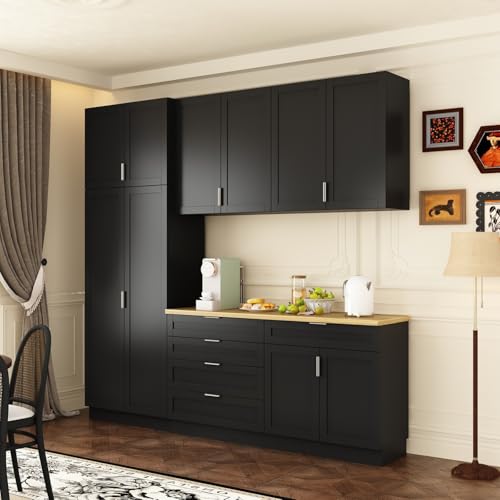
- ✓ Modern, sleek design
- ✓ Durable sliding drawers
- ✓ Adjustable shelves
- ✕ Higher price point
- ✕ Requires careful assembly
| Material | Wood composite with laminate finish |
| Dimensions | Customizable; typical sizes range from 24 to 36 inches in width, 24 inches in depth, and 84 inches in height |
| Storage Capacity | Adjustable shelving with a total volume of approximately 12 cubic feet |
| Hardware | Stainless steel hinges and handles |
| Assembly | Requires standard household tools; assembly instructions included |
| Design Features | Modular design with A+B configuration for flexible kitchen layout |
As soon as I unboxed the JOIKUJIA Kitchen Cabinet Set, I was struck by how sleek and sturdy it feels in my hands. The combination of the matte finish on the doors and the solid metal handles gives it a modern, high-end look.
It’s surprisingly lightweight for its size, which made assembly easier than I expected.
Figuring out the A+B configuration was a breeze thanks to clear instructions. The drawers slide smoothly on their rails, feeling durable and well-made.
The shelves are adjustable, so I managed to customize the space for everything from spices to larger pantry items without a hitch.
The overall design fits nicely into my kitchen, offering a clean, organized vibe. The doors close softly, adding a touch of elegance.
I especially appreciate the spaciousness—there’s ample room for my weekly groceries and kitchen accessories, keeping everything tidy and accessible.
One thing I noticed is that the finish resists fingerprints pretty well, which is a plus in a busy kitchen. The price is on the higher side, but the quality and functionality make it worth the investment.
It’s a smart upgrade for anyone tired of cluttered cabinets and unreliable storage solutions.
Overall, this cabinet system feels like a real upgrade—solid, stylish, and highly functional. It’s perfect for transforming a messy kitchen into a sleek, organized space you enjoy spending time in.
What Characteristics Define the Best Kitchen Cabinet System?
The best kitchen cabinet system is defined by a combination of functionality, quality, and design.
- Quality Materials: The best kitchen cabinet systems are made from durable materials such as solid wood, plywood, or high-quality MDF. These materials ensure longevity and resistance to common kitchen challenges like humidity and heat.
- Functional Design: A well-designed cabinet system maximizes storage space and enhances kitchen workflow. Features like pull-out shelves, lazy Susans, and built-in organizers can make accessing kitchen tools and ingredients easier and more efficient.
- Customizability: The best systems allow for customization in terms of size, color, and style to fit individual kitchen layouts and personal preferences. This adaptability ensures that the cabinets not only fit the physical space but also complement the overall aesthetic of the kitchen.
- Ease of Installation: A good cabinet system should come with clear instructions and be designed for easy installation, whether it’s a DIY project or requires professional help. This saves time and reduces the hassle often associated with kitchen renovations.
- Finish and Hardware Options: High-quality finishes and a variety of hardware choices, such as knobs and pulls, enhance both functionality and style. The finish should be easy to clean and resistant to scratches, while hardware options should blend well with the overall kitchen design.
- Warranty and Support: The best kitchen cabinet systems come with a solid warranty and customer support. This assurance indicates the manufacturer’s confidence in their product and provides peace of mind to the buyer regarding future repairs or replacements.
What Types of Kitchen Cabinet Systems Are Available?
The types of kitchen cabinet systems available cater to various styles, functionalities, and budgets.
- Stock Cabinets: These are pre-manufactured cabinets available in standard sizes and styles, making them a cost-effective choice for many homeowners.
- Ready-to-Assemble (RTA) Cabinets: RTA cabinets come in flat-pack boxes and require assembly, offering a more affordable option while allowing for customization in finishes and styles.
- Custom Cabinets: Designed specifically for a kitchen’s unique layout and specifications, custom cabinets offer the highest level of personalization, from materials to finishes.
- Semi-Custom Cabinets: These provide a middle ground between stock and custom cabinets, allowing for some modifications in size and style while still being pre-manufactured.
- Modular Cabinets: Modular systems consist of interchangeable components that can be easily configured to fit various spaces and needs, offering flexibility and adaptability.
Stock Cabinets: Stock cabinets are mass-produced and available in predetermined sizes, styles, and finishes, which makes them budget-friendly and easily accessible. However, their limited customization options may not suit all kitchen layouts or design preferences.
Ready-to-Assemble (RTA) Cabinets: RTA cabinets appeal to those looking for affordability and the ability to customize to an extent. They require assembly upon delivery, which can be a fun DIY project for some, but may also be a drawback for those preferring fully assembled options.
Custom Cabinets: For homeowners who want every detail tailored to their specifications, custom cabinets are the ideal choice. They are crafted to fit perfectly in the designated space and can incorporate unique features and high-quality materials, but they typically come at a premium price.
Semi-Custom Cabinets: Semi-custom cabinets strike a balance between stock and custom options, providing a range of styles and sizes while allowing for some level of personalization. This makes them a popular choice for those who want the best of both worlds without the high cost of fully custom solutions.
Modular Cabinets: Modular cabinets consist of various components that can be mixed and matched, making them versatile for different kitchen configurations. They offer the advantage of easy installation and modification, which can be particularly useful for homeowners who anticipate changes in their kitchen layout over time.
How Can a Modular Kitchen Cabinet System Work for You?
A modular kitchen cabinet system offers flexibility, customization, and efficient use of space in your kitchen.
- Customizable Designs: Modular kitchen cabinet systems allow you to choose from a variety of styles, colors, and materials, ensuring that your kitchen reflects your personal taste and complements your home’s decor.
- Space Efficiency: These systems are designed to maximize storage in your kitchen, utilizing every inch of available space, including corners and vertical areas, which is especially beneficial in smaller kitchens.
- Easy Installation: Modular cabinets typically come with pre-assembled sections, making installation simpler and faster compared to traditional custom-built cabinets, saving you time and labor costs.
- Versatile Storage Solutions: You can incorporate various storage options such as pull-out drawers, shelves, and organizers, allowing you to tailor the cabinet system to suit your specific cooking and storage needs.
- Durability and Maintenance: Modular cabinets are often made from high-quality materials that are resistant to moisture and wear, ensuring longevity with minimal maintenance, making them a practical choice for busy kitchens.
- Future Expandability: As your kitchen needs change, modular systems can be easily expanded or reconfigured, allowing you to add new components without the need for a complete overhaul.
- Cost-Effective Solutions: Compared to custom cabinetry, modular options can provide similar aesthetics and functionality at a lower price point, making them accessible for a wider range of budgets.
What Advantages Do Custom Kitchen Cabinet Systems Offer?
Finally, investing in custom kitchen cabinets can lead to an increase in home value. A well-designed kitchen is a major selling point for many buyers, and high-quality custom cabinetry can make your home stand out in a competitive real estate market.
What Should You Know About Stock Kitchen Cabinet Systems?
When selecting the best kitchen cabinet system, there are several important factors to consider:
- Material: The material of the cabinets greatly affects durability, appearance, and maintenance. Options include solid wood, plywood, MDF, and particleboard, each with unique benefits; for instance, solid wood offers longevity and a classic look, while MDF is more cost-effective and resistant to warping.
- Style: The style of kitchen cabinet systems can influence the overall aesthetic of your kitchen. Styles range from modern and sleek to traditional and ornate, allowing you to choose a design that complements your home’s decor, such as shaker, flat-panel, or raised-panel designs.
- Storage Solutions: Efficient storage is a crucial aspect of kitchen cabinet systems. Look for features like pull-out shelves, lazy Susans, and built-in dividers that maximize space and improve accessibility, making cooking and organization easier.
- Finish Options: The finish of the cabinets impacts not only their appearance but also their maintenance and durability. Popular finishes include painted, stained, and laminated options, each providing different levels of protection against wear and tear while allowing for personalization of your kitchen’s look.
- Installation: Consider whether you will be installing the cabinets yourself or hiring a professional. Some cabinet systems come ready-to-assemble (RTA), which can save costs, while others may require professional help to ensure proper alignment and installation for optimal function.
- Cost: The budget for kitchen cabinet systems varies significantly based on materials, styles, and features. It is essential to set a realistic budget that encompasses not just the cabinets themselves but also potential installation costs and any additional accessories you may want.
- Warranty: A good warranty can provide peace of mind regarding the quality of your kitchen cabinet system. Look for warranties that cover defects and structural integrity for a specific period, which can indicate the manufacturer’s confidence in their product.
What Key Factors Influence Your Choice of Kitchen Cabinet System?
Several key factors influence the choice of the best kitchen cabinet system.
- Material: The material of the cabinets significantly affects durability, maintenance, and aesthetics. Popular options include plywood, MDF, and solid wood, each offering different levels of sturdiness, resistance to moisture, and design versatility.
- Style: The style of the cabinets should complement the overall kitchen design. Whether you prefer modern, traditional, or transitional styles, the cabinet design can impact the kitchen’s ambiance and functionality.
- Storage Options: Effective storage solutions are essential for maximizing kitchen efficiency. Look for features like pull-out shelves, lazy Susans, and drawer dividers, which can help organize cookware and maximize space.
- Budget: Your budget is a crucial factor when selecting a cabinet system. Prices can vary widely based on material, design, and brand, so it’s important to find a balance between quality and affordability that fits your financial plan.
- Finish and Color: The finish and color of kitchen cabinets can drastically affect the room’s aesthetic. Options range from painted finishes to stained wood, which can create different moods and enhance or detract from other kitchen elements.
- Installation: Consider whether you will be installing the cabinets yourself or hiring a professional. Some cabinet systems come as ready-to-assemble kits, while others may require professional installation, which can add to the overall cost and time of the project.
- Functionality: Evaluate how the cabinet system will function in your daily life. Features such as soft-close doors, adjustable shelving, and integrated lighting can enhance usability and convenience, making your kitchen more enjoyable to use.
How Do Different Materials Affect Kitchen Cabinet Durability?
Different materials significantly impact the durability of kitchen cabinets, influencing their longevity and maintenance needs.
- Solid Wood: Solid wood is known for its strength and durability, making it one of the best materials for kitchen cabinets. It can withstand daily wear and tear, is less likely to warp, and can be refinished multiple times, ensuring a long lifespan.
- Plywood: Plywood consists of several layers of wood veneer glued together, providing excellent strength and resistance to moisture. It is less expensive than solid wood while still offering good durability, making it a popular choice for kitchen cabinets.
- MDF (Medium Density Fiberboard): MDF is an engineered wood product made from wood fibers and resin, which gives it a smooth surface ideal for painting. While it is less durable than solid wood or plywood, it resists warping and is often used in modern cabinet designs, though it may not hold up as well in high-moisture areas.
- Particle Board: Particle board is made from wood chips and resin, making it the least expensive option but also the least durable. It is more susceptible to water damage and typically used in budget-friendly cabinet systems, where cost is a major factor over longevity.
- Metal: Metal cabinets, often made of stainless steel or aluminum, are extremely durable and resistant to moisture and pests. They offer a sleek, modern aesthetic and are easy to clean, making them suitable for high-use kitchen environments, though they may lack the warmth of wood.
In What Ways Does Style Impact Your Kitchen Design?
Style significantly influences the kitchen design, particularly when selecting the best kitchen cabinet system.
- Color Scheme: The choice of colors for cabinets can set the mood and ambiance of the kitchen. Lighter hues like whites and pastels create a more open and airy feel, while darker shades can add warmth and sophistication.
- Material Selection: The materials used for cabinets, such as wood, laminate, or metal, not only affect durability but also contribute to the overall aesthetic. High-quality wood lends a classic and timeless look, while modern materials can convey a sleek and contemporary style.
- Cabinet Style: The design of the cabinets themselves, whether they are shaker, flat-panel, or raised-panel, plays a crucial role in defining the kitchen’s style. Traditional designs often feature intricate details, while minimalist styles focus on clean lines and simplicity.
- Hardware Choices: The knobs, handles, and hinges used on cabinets can enhance or detract from the kitchen’s overall design. Selecting hardware that complements the cabinet style and color can create a cohesive look, while mismatched pieces can disrupt the visual flow.
- Layout and Functionality: The arrangement of cabinets can impact both style and efficiency in the kitchen. An open layout with accessible storage can promote a modern aesthetic, while a more enclosed design might suit a traditional décor.
- Lighting Integration: Incorporating lighting elements such as under-cabinet lighting or accent lights can elevate the cabinet design. Proper lighting highlights the cabinet features and enhances the kitchen’s overall style, creating an inviting atmosphere.
How Crucial is Functionality in Kitchen Cabinet Systems?
- Storage Capacity: The best kitchen cabinet systems maximize storage capacity, allowing for efficient organization of kitchenware and supplies. Features like adjustable shelves and deep drawers can accommodate various items, from pots to pantry goods, ensuring everything has a designated place.
- Accessibility: Easy access to items is a key factor in the functionality of kitchen cabinets. Pull-out shelves, lazy Susans, and soft-close mechanisms enhance accessibility, enabling users to reach items without difficulty and reducing the risk of accidents.
- Durability: The materials and construction of kitchen cabinets affect their longevity and performance. High-quality materials that resist moisture and wear ensure that the cabinets remain functional over time, making them a worthwhile investment in any kitchen.
- Customization: A versatile cabinet system allows for customization according to the specific needs of the kitchen and its user. Options such as varying heights, widths, and finishes enable homeowners to create a space that not only looks great but also functions well for their cooking and storage needs.
- Style and Aesthetics: While functionality is paramount, the visual appeal of kitchen cabinets also plays a crucial role. The best systems combine practicality with attractive designs, ensuring that the cabinets complement the overall kitchen decor while providing essential features.
- Ease of Cleaning: Functionality includes the ease of maintenance and cleanliness. Cabinets with smooth surfaces and finishes that resist stains and fingerprints make it easier to keep the kitchen tidy, which is essential in a space where food is prepared and consumed.
What Are the Advantages of Choosing a Quality Kitchen Cabinet System?
The advantages of choosing a quality kitchen cabinet system are numerous and can greatly enhance both functionality and aesthetics in your kitchen.
- Durability: High-quality kitchen cabinets are built to withstand daily use, resisting wear and tear over time. Materials like solid wood or high-grade plywood provide sturdiness and longevity, ensuring that your investment lasts for many years.
- Customization: A premium cabinet system often offers a range of customization options, allowing you to tailor the design, size, and features to fit your kitchen’s unique layout and your personal style. This flexibility can include various finishes, colors, and hardware choices to create a cohesive look that complements your home.
- Enhanced Storage Solutions: Quality kitchen cabinets typically come with smart storage options, such as pull-out shelves, lazy Susans, and built-in dividers. These features maximize space and improve organization, making it easier to access your kitchen essentials and keep everything in order.
- Improved Functionality: A well-designed cabinet system enhances the overall functionality of your kitchen, providing efficient layouts that facilitate ease of movement and workflow. This can lead to a more enjoyable cooking experience, as you can easily reach for ingredients and tools when needed.
- Increased Home Value: Investing in a quality kitchen cabinet system can significantly boost the value of your home. Potential buyers often see a well-designed kitchen as a major selling point, and high-quality cabinetry can make a lasting impression.
- Eco-Friendly Options: Many manufacturers of quality kitchen cabinets offer eco-friendly materials and finishes, which can contribute to a healthier home environment. Choosing sustainable options helps reduce your carbon footprint while still achieving a beautiful kitchen design.
- Warranty and Support: Premium cabinet systems usually come with warranties that provide peace of mind regarding their durability and longevity. Manufacturers often offer excellent customer support, ensuring that any issues or questions you have can be addressed promptly and effectively.
What Common Mistakes Should You Avoid When Selecting a Kitchen Cabinet System?
Selecting the best kitchen cabinet system requires careful consideration to avoid common mistakes that can lead to dissatisfaction.
- Not Measuring Accurately: Failing to take precise measurements of your kitchen space can result in cabinets that do not fit properly. This can lead to gaps, awkward spaces, or even the inability to install the cabinets at all, ultimately affecting the overall functionality and aesthetics of your kitchen.
- Ignoring Storage Needs: Choosing a cabinet system without considering your storage requirements can lead to clutter and disorganization. It’s important to evaluate what items you need to store and select a system that provides adequate space and accessibility for all your kitchen essentials.
- Overlooking Quality Materials: Opting for lower-quality materials may save money initially but can lead to long-term issues such as warping, fading, or damage. Investing in high-quality materials ensures durability and longevity, which is crucial for a high-traffic area like the kitchen.
- Not Considering Style and Design: Selecting cabinets that clash with your kitchen’s overall design can create a disjointed look. It’s essential to choose a cabinet system that complements your existing decor and meets your personal style preferences to create a cohesive and inviting space.
- Underestimating Budget Constraints: Failing to set and adhere to a budget can lead to overspending and financial strain. It’s important to research and plan accordingly to ensure that the cabinet system you choose aligns with your financial limitations while still meeting your needs.
- Neglecting Functionality: Prioritizing appearance over functionality can lead to cabinets that look great but are impractical for everyday use. Ensuring that the cabinet system enhances the workflow of your kitchen is vital for a functional cooking and storage environment.
- Skipping Professional Help: Attempting to select and install cabinets without professional guidance can lead to costly mistakes. Consulting with kitchen design experts can provide valuable insights and recommendations that align with your space and preferences, ensuring a successful installation.